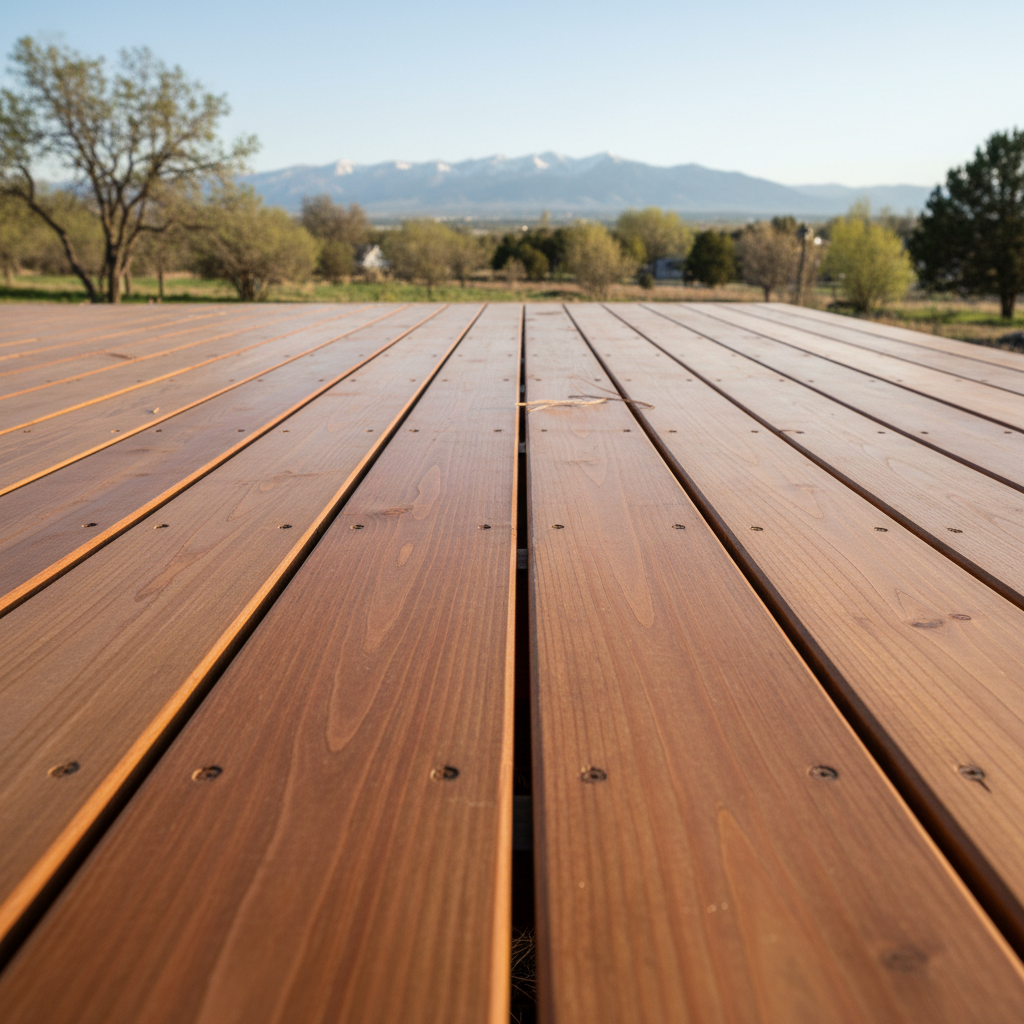
What's the best wood for a deck in Brigham City?
Alright, this is probably the first thing folks ask me. And honestly, there's no single "best" wood for everyone. But I can definitely tell you what I recommend most often around here. When we're talking natural wood, you're usually looking at pressure-treated pine, cedar, or redwood.
Pressure-treated pine is your most budget-friendly choice. It's treated to fight off rot and insects, which is a huge plus, especially with our occasional wet springs and all the general moisture we get. It really is a workhorse. Cedar and redwood? They naturally resist rot and bugs too, and they look beautiful, but they're a step up in price. They're softer woods, so they can dent a bit easier, but man, they smell great and have that classic look. I've built plenty of decks with all three, and each one has its place. It really just comes down to your budget, how much maintenance you're willing to do, and the look you're after. If you're thinking about composites, that's a whole different ballgame. But for natural wood, those are your main contenders.
How long can I expect my wooden deck to last?
This is a big one, and the honest answer is: it depends. A well-built and properly maintained pressure-treated pine deck can easily last 15-20 years, sometimes even longer. Cedar and redwood, with good care, can push 20-25 years. The key phrase there is "properly maintained." If you let moss grow, don't clean it, or skip out on sealing or staining, you're going to cut that lifespan way down.
Our Brigham City weather, with those hot summers and cold, snowy winters, really puts a deck through its paces. UV rays break down wood fibers, and moisture leads to rot. Regular cleaning, re-sealing every couple of years, and fixing any loose boards or nails quickly will make a huge difference. Think of it like your car; you wouldn't expect it to last without oil changes, right? Same deal with your deck.
What's the difference between sealing and staining, and do I need both?
Good question, and one I get a lot. A sealer is mainly for protecting against moisture and UV rays. It soaks into the wood and creates a barrier. It can be clear or have a very light tint, but its main job isn't to change the color dramatically. A stain, on the other hand, contains pigments that change the wood's color. Stains also offer protection, often with sealants and UV inhibitors already mixed in. You usually don't need both a separate sealer and a stain, as most quality stains today are "stain and sealer in one."
What you absolutely need is protection. Leaving your deck bare is like leaving your skin out in the sun without sunscreen – it's going to get damaged. For most folks, I recommend a good quality semi-transparent or solid stain. Semi-transparent lets some of the wood grain show through, while solid stains cover it completely, offering maximum UV protection. Pick one that you like the look of, but make sure it's got those protective qualities.
My deck boards are warping and splitting. What's causing it?
Ah, the classic warp and split. This usually happens because of moisture fluctuations and UV exposure. Wood is a natural material, and it expands when it soaks up moisture, then shrinks when it dries out. When this happens repeatedly, especially with our swings from dry to wet here in Northern Utah, the wood fibers get stressed. That's what leads to warping, twisting, and splitting. If you haven't sealed it properly, or if the finish is old and worn out, it makes things worse because the wood is just more exposed to the elements.
Sometimes, it's also about the quality of the wood from the start. If the wood wasn't dried properly before it was installed, it's more prone to these issues. Fixing it often means replacing the worst boards, then making sure the entire deck is properly cleaned and sealed to prevent future problems. And hey, don't let standing water sit on your deck; that's a surefire way to invite trouble.
How often should I clean my wooden deck?
You should give your deck a good, thorough cleaning at least once a year. Usually, I'd say in the spring, after the snow melts and before you start using it heavily. This gets rid of any grime, mold, mildew, and general dirt that's built up over the winter. If you've got a lot of trees around, or if your deck is in a shady, damp spot – like some of those older homes near the foothills where moisture tends to linger – you might need to clean it twice a year.
Use a good deck cleaner made for wood, and a stiff brush. A pressure washer can be great, but you've got to be careful. Too much pressure, or holding it too close, and you'll gouge the wood and cause more problems than you solve. If you're not confident with a pressure washer, a regular garden hose with a scrub brush and deck cleaner works just fine. It's elbow grease, but it saves you headaches down the road.
Can I build a wooden deck myself, or should I hire a pro?
Look, I'm a contractor, so you might expect me to say "hire a pro," but I'll give it to you straight. If you're handy, have experience with carpentry, own the right tools, and understand local building codes (which are important, believe me), then sure, you *can* build a deck yourself. It's a big project, though. You're dealing with structural integrity, proper footings, how the ledger board attaches to your house, and safety railings. If any of that is done wrong, it's not just a cosmetic issue; it's a safety hazard.
I've seen some DIY decks that were perfectly fine, and I've seen some that were downright dangerous. For most homeowners, especially for anything beyond a very simple, low-to-the-ground platform, hiring a professional deck builder like Omega Deck Solutions is usually the smarter move. We know the codes, we have the specialized tools, and we're insured. It saves you time, frustration, and ensures the job is done right and safely the first time.
My deck feels bouncy or unstable. What's going on?
A bouncy or unstable deck is a red flag, plain and simple. Don't ignore that. It usually means there's a structural issue. Common culprits include: not enough joists, or they're spaced too far apart; inadequate beam support; a failing ledger board attachment to the house; or footings that have settled or weren't deep enough. Sometimes it's just loose fasteners, but often it's more serious.
With our freeze-thaw cycles here in Brigham City, footings can shift over time if they weren't installed correctly below the frost line. If your deck feels bouncy, stop using it and have it inspected by a professional immediately. It's not something to put off; that's a safety issue that needs to be addressed before someone gets hurt.