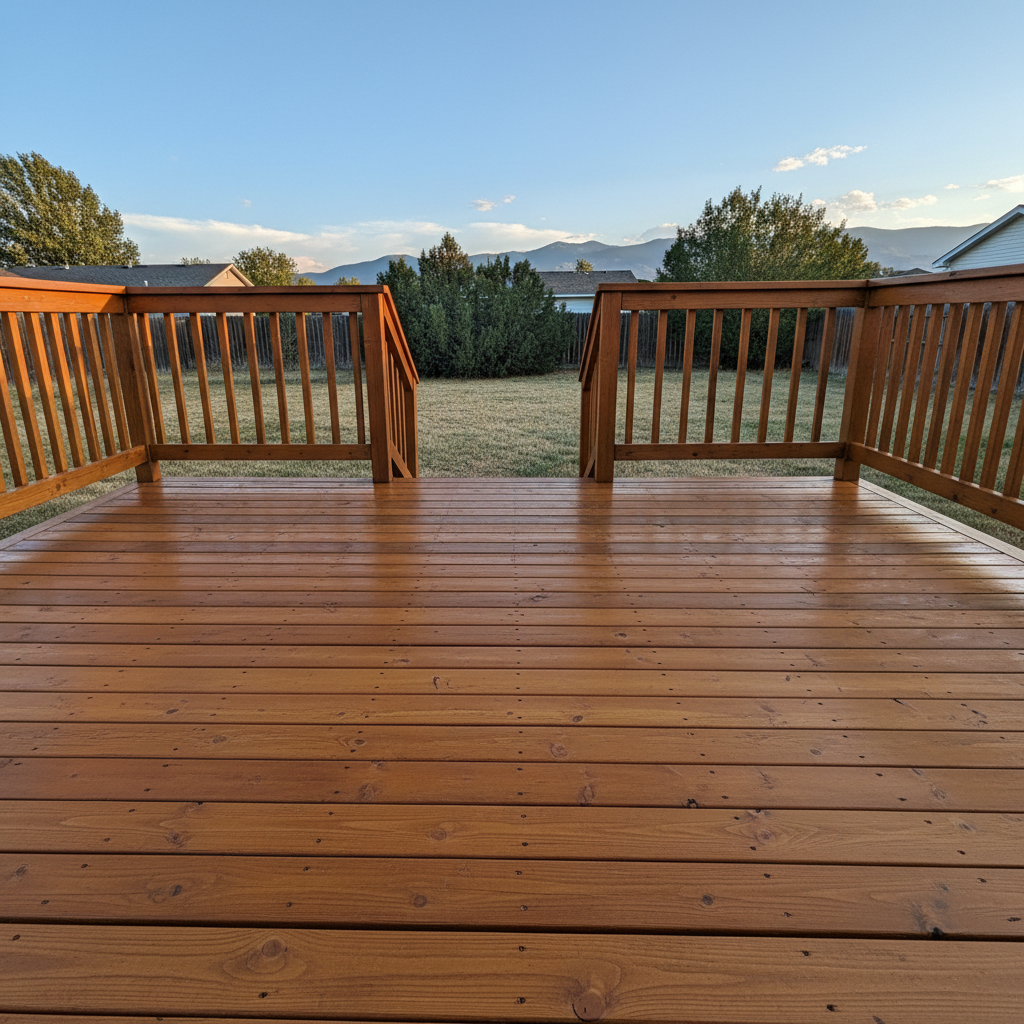
You spent good money getting your deck stained or painted, didn't you? Well, that finish isn't just for looks. It's the first line of defense, protecting your investment from the sun, the snow, and everything else our Brigham City weather throws at it. Keeping that finish in good shape is key to making your deck last, and honestly, it's not as complicated as you might think.
Making Your Deck Finish Last Longer
The biggest thing you can do to get more life out of your deck's paint or stain is pretty straightforward: keep it clean. I'm not talking about scrubbing it down every single week, but regular upkeep really does make a difference. Just think about all that cottonwood fluff we get around here in the spring, or the dust that blows in from the fields. That stuff settles, holds moisture, and can slowly start to break down your finish.
Here's what I usually tell people:
- Sweep it often: A quick sweep with a stiff broom once a week, or at least every couple of weeks, will get rid of most of the surface junk.
- Give it a light wash: Every few months, especially after pollen season or a particularly dusty spell, just wash it down gently. Mix a little mild dish soap with water, use a soft-bristle brush, then rinse it thoroughly with a garden hose. Don't go wild with a pressure washer unless you really know what you're doing; it's super easy to strip the finish right off.
- Keep things moving: Shift planters, rugs, and furniture around every so often. If they stay in one spot too long, they can trap moisture underneath, which leads to mildew and those areas wearing out sooner.
Also, think about the kind of finish you picked. A good quality stain, especially an oil-based one, usually soaks into the wood and gives better long-term protection against UV rays and moisture than some paints. But even the best product still needs a little help from you, right?
Checking for Problems: What to Look For
You don't need to be a detective to spot trouble. Just pay attention to your deck a few times a year. Walk around it, take a close look at the boards, especially the ones that get the most sun or are closest to the ground.
- Fading: Is the color looking dull or washed out? That's usually the first sign that the UV protection is wearing thin. The south-facing side of your deck, or spots that get direct afternoon sun, will almost always fade faster.
- Peeling or chipping: If you see paint or stain flaking off, that's a clear sign the finish has failed. This often shows up on deck rails or vertical surfaces first, places where water can sit longer or where the sun just beats down relentlessly.
- Water absorption: This is a big one, maybe the biggest. After a rain or a good hosing, does the water bead up on the surface, or does it soak right into the wood? If it soaks in and darkens the wood, your finish isn't repelling water anymore. That means the wood is vulnerable to rot and warping, a critical warning sign.
- Mildew or mold: Dark spots, especially in shaded areas or where water tends to collect, mean mildew. You can clean it, sure, but it also signals that moisture is getting trapped, which isn't good for the wood or the finish.
Catching these things early often means you can do a spot repair or a lighter re-coat, saving you from a full strip-and-re-stain job down the road.
When It's Time to Call a Professional
Look, I'm all for homeowners doing what they can. But there are times when trying to DIY a deck finish repair can actually make things worse, or just not give you the lasting results you want. That's when you call someone like us at Omega Deck Solutions.
Here are a few situations where a pro is your best bet:
- Lots of peeling or flaking: If over 25% of your deck's surface is peeling, you're probably looking at needing to strip the old finish completely. This is a messy, labor-intensive job that needs specific tools and chemicals to do right without messing up the wood.
- Gray or really weathered wood: If your deck has gone gray and the wood itself looks rough or splintered, it needs more than just a new coat of stain. It likely needs a deep cleaning, brightening, and maybe some sanding to get the wood's integrity back before any new finish goes on.
- Mold or rot problems: You can clean surface mold, but if you suspect rot or deep-seated fungal growth, a professional can check the damage, treat the wood properly, and even replace boards if needed before applying a new finish.
- You just don't have the time or tools: Let's be honest, life gets busy. Stripping, cleaning, and re-finishing a deck is a multi-day project, often requiring specific weather conditions. If you'd rather spend your weekend enjoying your deck than working on it, that's a perfectly good reason to call in the experts.
We see a lot of decks around here, from the older homes in downtown Brigham City to the newer developments up on the bench. Each one has its own unique challenges. The goal is always the same: protect your investment and make your deck a beautiful, safe place for your family to enjoy for years to come. Don't let a failing finish shorten its life.